Certified Pre-Owned
How to Start a Peptide QC Lab: The Analytical Instrumentation You Need
Jun
The peptide testing market is growing fast. With GLP-1 receptor agonists like semaglutide and tirzepatide making headlines, and research peptides like BPC-157 and retatruide driving demand across biotech and compounding labs, the need for rigorous peptide quality control has never been greater.
If you’re building a peptide QC lab, or upgrading an existing one; the instruments you choose will determine the quality, compliance, and credibility of every Certificate of Analysis (CoA) you produce. This post breaks down exactly what analytical instrumentation a peptide QC lab needs, and why each system matters.
What Is a Peptide QC Lab?
A peptide quality control lab verifies the purity, identity, and safety of peptides; whether they’re produced in-house or sourced from a supplier. The core purpose is to confirm that what’s in the vial matches what’s on the label, and that it’s free from harmful impurities.
A complete QC workflow covers four critical tests:
- Purity: How much of the sample is actually the target peptide?
- Identity: Is the molecular mass and sequence correct?
- Elemental Impurities: Are trace metals (lead, arsenic, cadmium, mercury) within safe limits?
- Residual Solvents: Are synthesis solvents like DMF, TFA and acetonitrile fully removed?
No single instrument can cover all four. That’s why a complete peptide QC lab requires a coordinated suite of analytical systems.
The 4 Essential Instruments for a Peptide QC Lab:
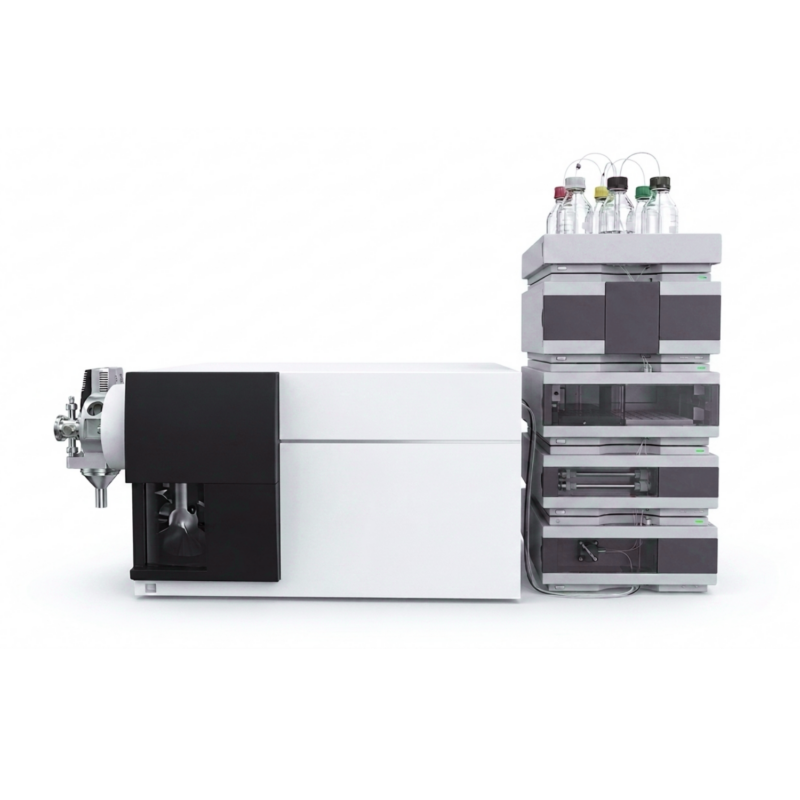
LC-MS Triple Quad System:
For: Peptide Identity, Quantification & Impurity Profiling
The LC-MS triple quad is the workhorse of peptide QC. It confirms molecular identity, runs targeted MRM quantification at trace levels, and profiles process-related and degradation impurities; all in a single run. For complex peptides like tirzepatide or retatrutide, it’s a non-negotiable
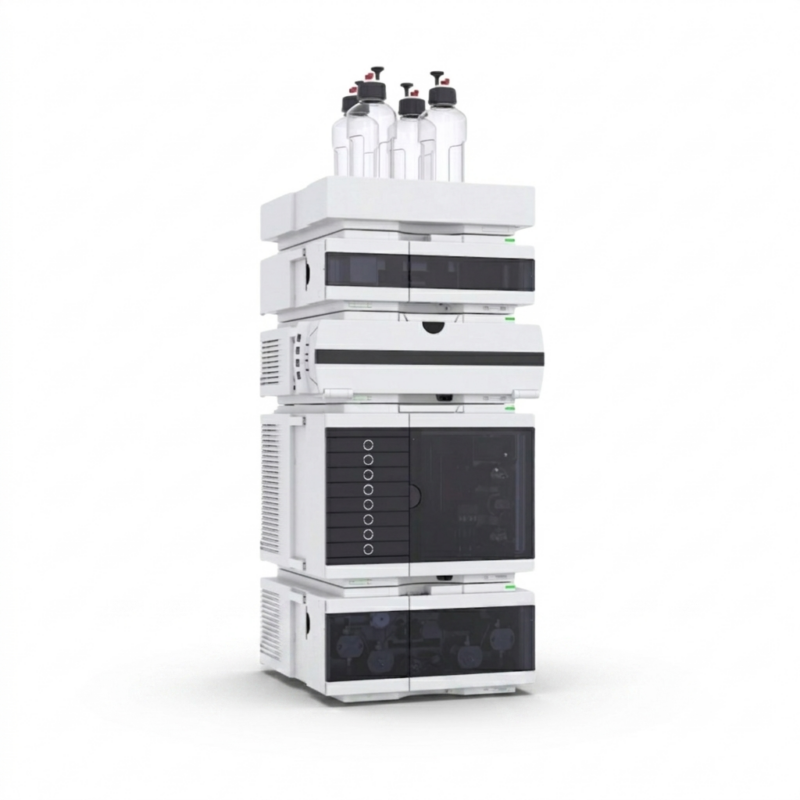
UHPLC/HPLC System with PDA/UV-Vis Detection:
For: Purity Assay & Related Substances
The gold standard for peptide purity. Running at 220 nm, it delivers precise main peak purity and related substance quantification with excellent resolution across the complex chromatographic profiles of synthetic peptides.
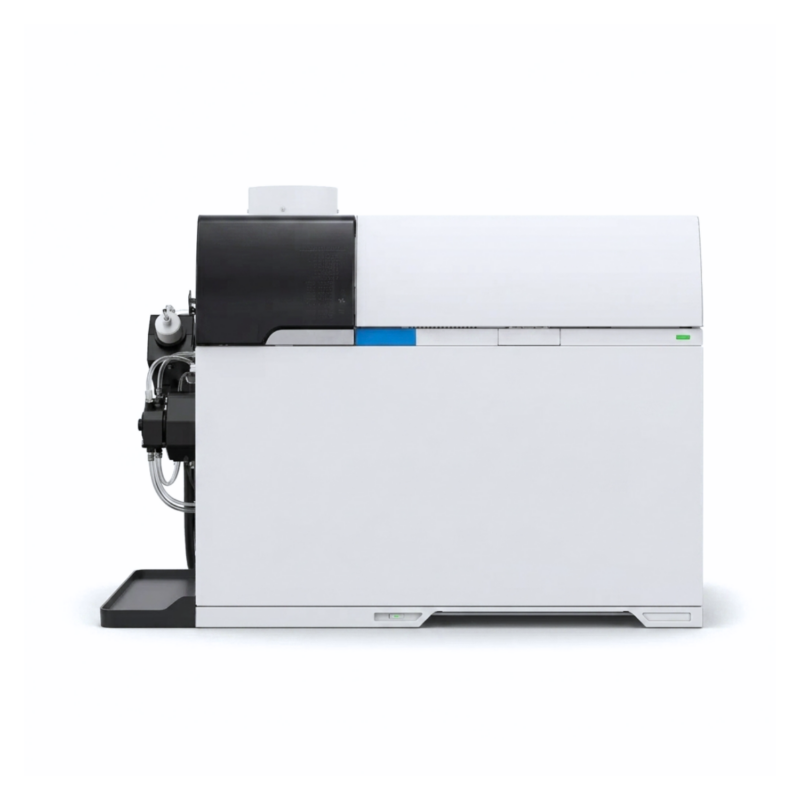
ICP-MS System:
For: Elemental Impurity Testing
Required for trace metal testing (Pb, As, Cd, Hg) per USP <232>/<233> and ICH Q3D. A non-negotiable test for any peptide intended for research or further development, and essential for a complete, defensible CoA.
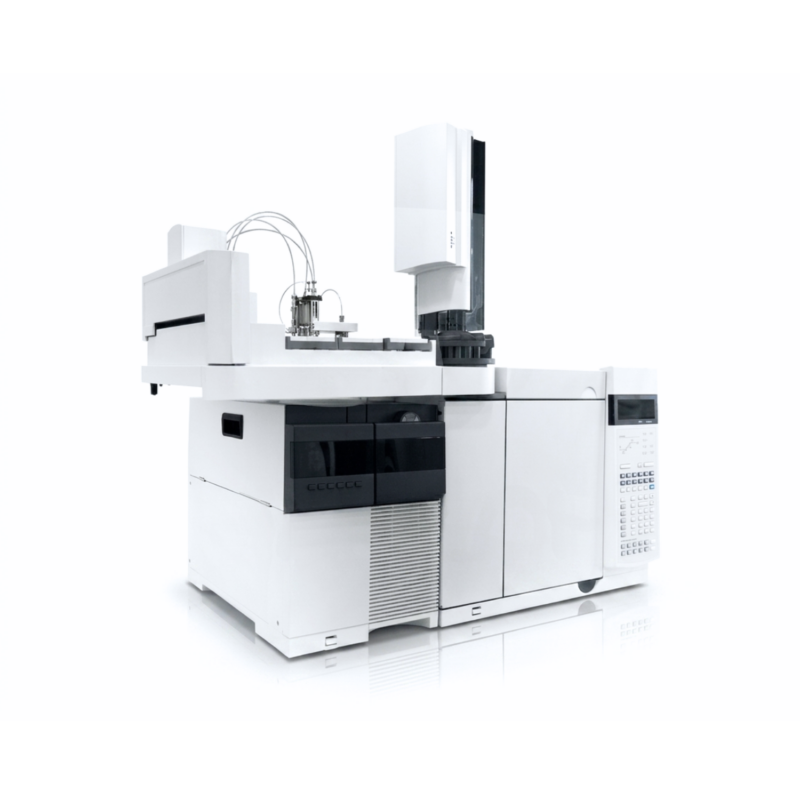
GC-MS System:
For: Residual Solvent Testing
Captures volatile process impurities and residual solvents; DMF, acetonitrile, TFA, DCM, that LC-MS can’t detect, per ICH Q3C guidelines. The final piece of a complete impurity picture.
Why All 4 Systems Work Together:
Each instrument covers a distinct, non-overlapping piece of the QC picture. Together, they give you everything needed to produce a complete, compliant CoA. For even the most analytically demanding peptides.
One Partner for Your Complete Peptide QC Suite
GMI is a trusted laboratory solutions provider specializing in analytical instrumentation for life science and research labs. All four systems are available individually, as a bundle, or configured to your exact workflow; with factory certification, installation, training and Gold Service contracts included.