
COMPLETE HARDWARE & EXPERT GOLD SERVICE

Premium Analytical Instrumentation for Peptide Testing Labs

LC-MS, UHPLC, ICP-MS, and GC-MS systems configured for peptide quality control


Purity & Identity

Impurity Profiling

Elemental Impurities

Residual Solvents
Request a quote Schedule a free consultation


30+

Years of biotech excellence

1,000+

Labs equipped worldwide

4050%

Cost savings

EXPERTS

Factory trained

Peptide QC shouldn’t break the bank or your timeline.

Most labs are forced to choose between expensive new instruments or cutting corners on critical tests for BPC-157, Retatrutide, Tirzepatide, and other complex peptides.

GMI changes the equation.

THE COMPLETE PEPTIDE QC SUITE

Four systems. One integrated workflow.

Get the full peptide pack or pick what you need — every system is available individually, as a bundle, and configured to your exact workflow. Bundles starting at $XXX

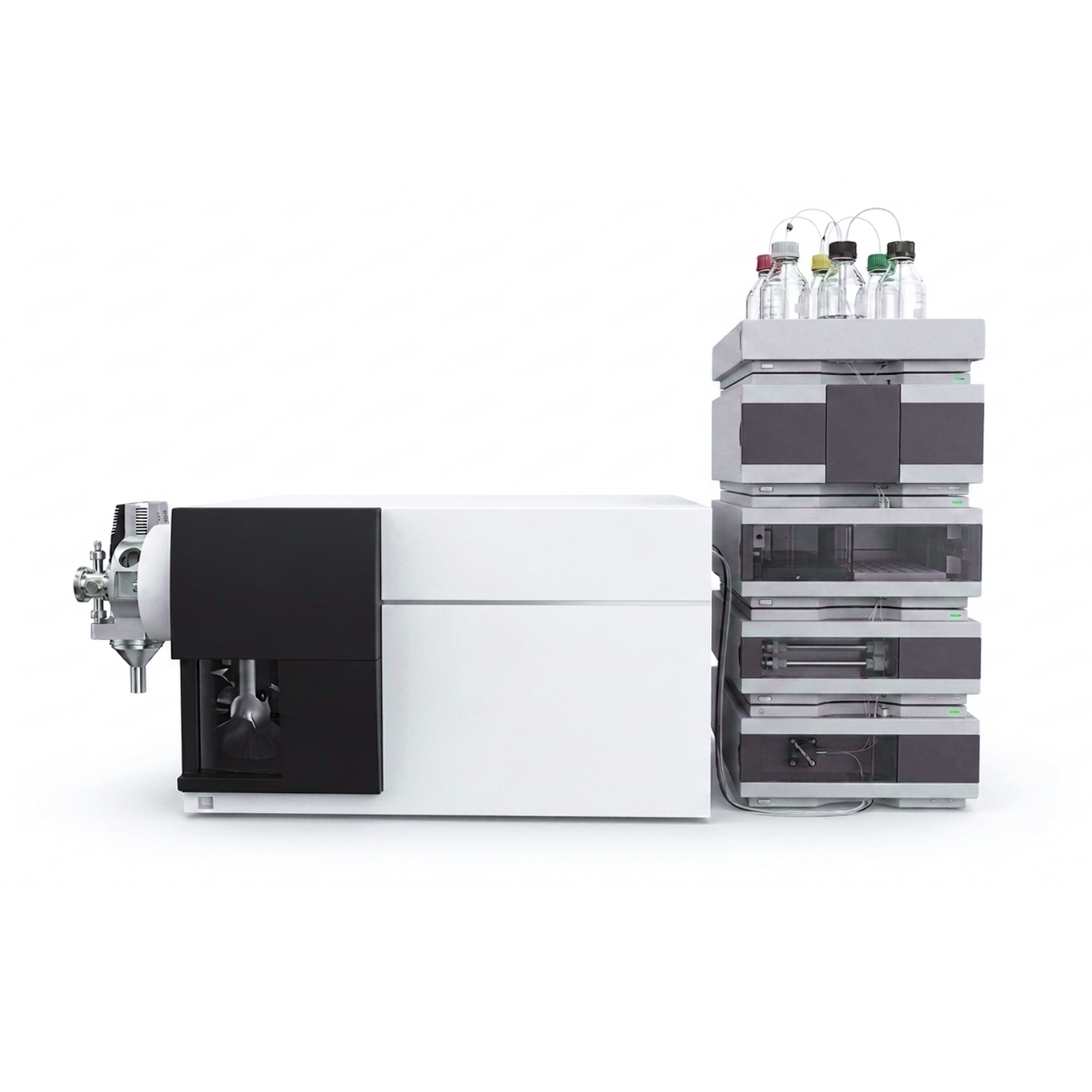
LC-MS Triple Quadrupole System

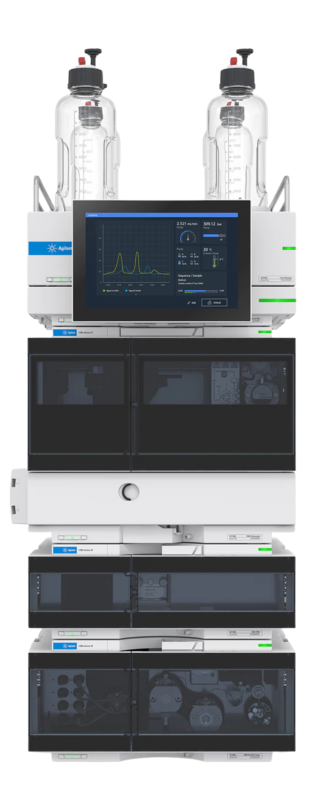
Agilent 1260 or 1290 LC front-end + 6460 or 6490 Triple Quadrupole MS

This is the workhorse for peptide identity, targeted MRM quantification at trace levels, and process/degradation impurity profiling. It provides the sensitivity and specificity needed for high-throughput batch release testing of today’s top research and development peptides.

UHPLC / HPLC System with PDA/UV-Vis Detection

Agilent 1290 or 1260 Series

The gold-standard platform for main peak purity assay (typically at 220 nm) and accurate quantification of related substances and process impurities. Excellent resolution and reproducibility for the complex chromatographic profiles of synthetic peptides; fully compatible with C18, C4, and other peptide-specific columns.

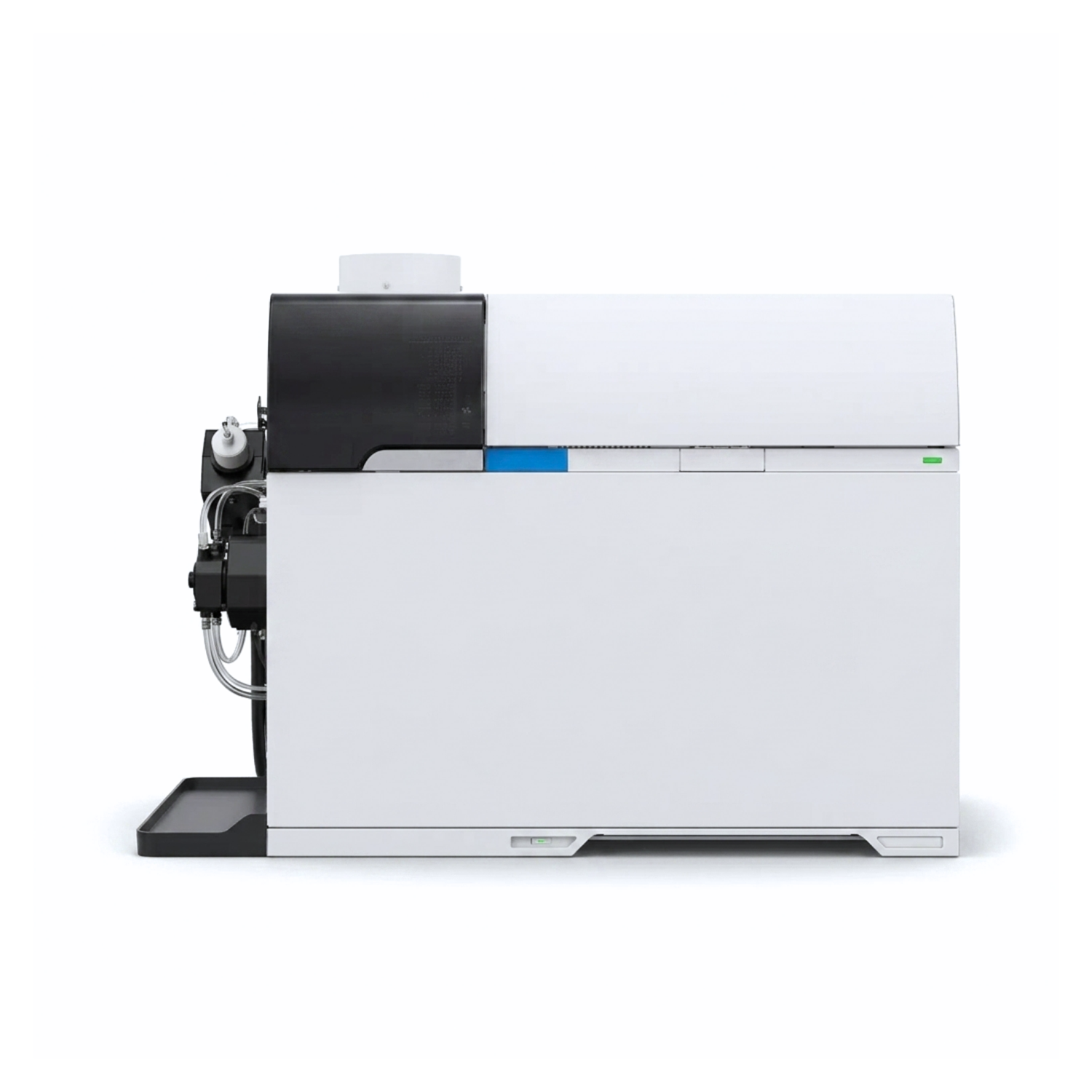
ICP-MS System

Agilent 7800 or 7900 with autosampler, chiller, and rough pump

Essential for trace-level elemental impurity testing (Pb, As, Cd, Hg, and others) to meet USP <232>/<233> and ICH Q3D requirements — a non-negotiable test for any peptide intended for research or further development. Complete system supports high sample throughput and CoA confidence.

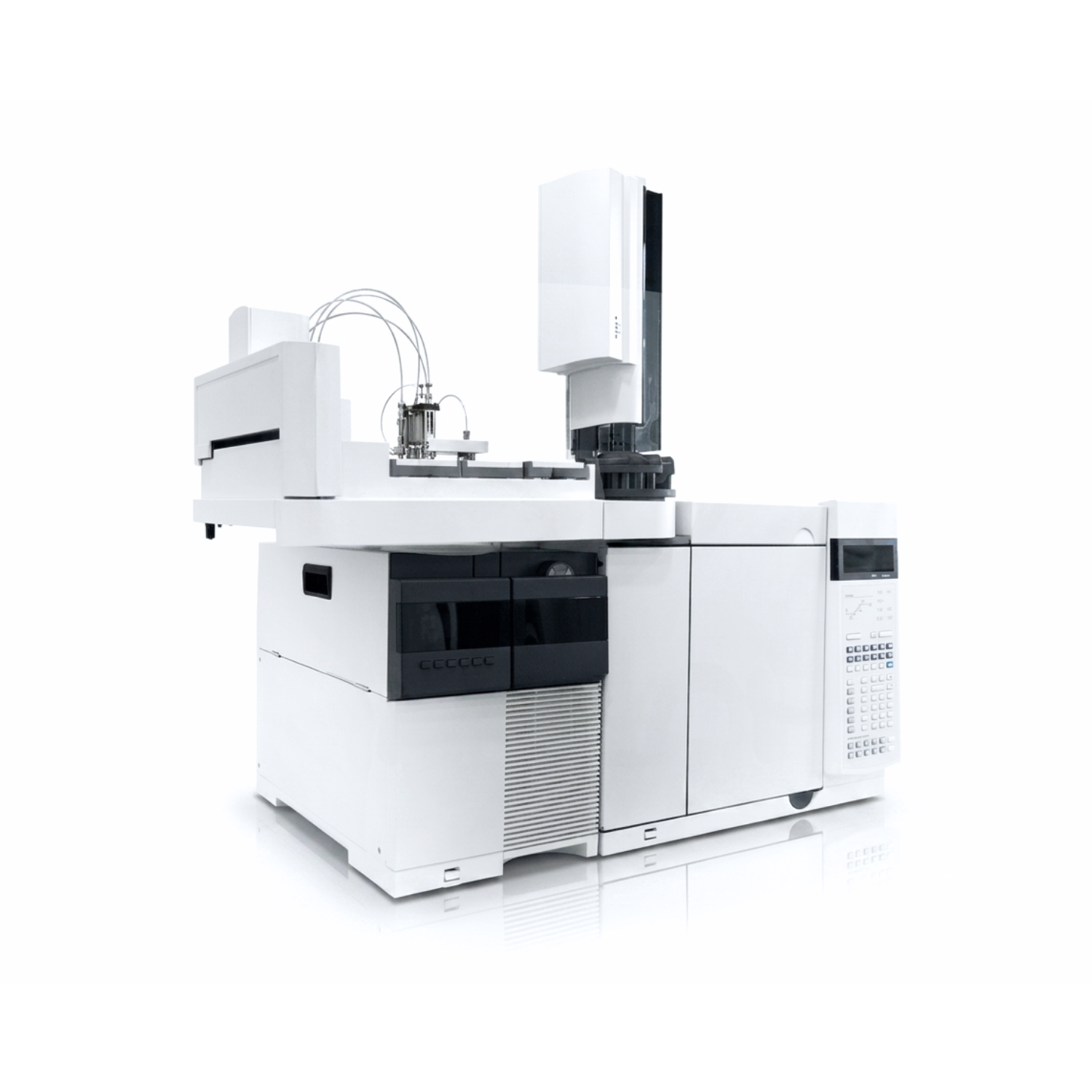
GC-MS System

Agilent 7890 GC with 5975 or 5977 MSD (headspace or direct-injection configurations)

 Captures residual solvents and volatile process impurities (DMF, acetonitrile, TFA, dichloromethane, etc.) that LC-MS may miss, per ICH Q3C guidelines. Completes the full impurity picture required for high-quality CoAs.

All systems factory-certified  •  Fully configured for peptide methods  •  Installation & training included

THE GMI DIFFERENCE

Why leading peptide companies choose GMI over buying direct.

Single point of contact

One dedicated team for instruments, service contracts, installation, training, and ongoing support. No vendor runaround.

Factory-trained experts

Our engineers come from Agilent, Thermo, KNAUER and more. They know these exact platforms inside out.

Risk reduction built in

Rigorous recertification, full documentation, warranties up to 5 years, and Gold service that covers high-cost repairs.

Protect Your Investment

Gold Service Contracts

Zero surprises. Maximum uptime.

Fixed, predictable costs

Parts & labor coverage

Annual preventive maintenance

24-hour response time

Remote diagnostics & lifetime support

Multi-system bundle discounts

Schedule a free consultation to learn more Schedule a free consultation
FROM SYNTHESIS TO COA

A complete, compliant workflow in one partnership.

1

Peptide Synthesis

BPC-157 • GLP-1 analogs • Custom

2

UHPLC Purity

Main peak + related substances

3

LC-MS Identity

MRM + molecular confirmation

4

ICP-MS Elements

USP <232> / ICH Q3D

5

GC-MS Solvents

ICH Q3C complete profile

One partner. One contract. One high standard of quality.

GMI was a very professional business to work with. Shipping was quick and easy. Technical Support was quick to respond. I would highly recommend GMI for all your laboratory equipment needs.

Great experience purchasing equipment from GMI in the past and will certainly be going with them for potential future purchases! Quick responses, understood my needs and great prices!
Top notch customer service and vast selection of inventory. Highly recommend.
Great costumer service, over delivered and got everything I needed ahead of time.
They are experts in the field - I wouldn't trust our business with any one else.
I have worked with GMI for the past 3 years for service contracts on laboratory instruments and we are very satisfied with the level of service we have received. I would recommend them to anyone who needs to use their services.

Ready to Equip or Upgrade Your Peptide Analytical Laboratory?

Get a custom bundled quote for instruments + Gold service + accessories + installation

Request a quote Schedule a free consultation

Or call (763) 712-8717 or email [email protected]

Peptide QC knowledge base

Starting a peptide lab? Frequently asked questions.

Straight answers on the instruments, peptide types, and quality-control methods — purity & identity, impurity profiling, elemental impurities, residual solvents — behind a working peptide QC lab, from the first bench to a finished certificate of analysis.

Getting started

A peptide QC lab verifies the purity, identity, and content of peptides made in-house or sourced from a supplier. You’ll need:

  • Space & utilities — bench space, good ventilation (and a fume hood for sample prep with solvents), stable power, and deionized/ultrapure (Type 1) water.
  • Core instruments — an analytical HPLC/UHPLC, a mass spectrometer for identity, a lyophilizer for drying, and an analytical balance.
  • Consumables — C18 columns, HPLC-grade solvents (acetonitrile, water, TFA), reference standards, and vials.
  • A quality system — written SOPs, instrument qualification (IQ/OQ/PQ), and a COA template.

Many labs run QC only and outsource synthesis, scaling their methods up as testing volume grows.

Budget depends heavily on scope and on whether you buy new or certified pre-owned. Approximate instrument ranges:

  • Analytical HPLC/UHPLC: ~$25k–$75k new (far less refurbished)
  • LC-MS / mass spectrometer: $80k–$300k+ (triple-quad and high-res systems sit at the top)
  • Lyophilizer (freeze dryer): ~$8k–$60k (benchtop to console)
  • Analytical balance & ancillaries: ~$10k–$30k

A focused QC lab can launch around $80k–$200k. Buying certified pre-owned instruments can cut equipment cost by roughly half.

A synthesis lab builds peptides, then purifies and dries them. A QC lab verifies peptides made anywhere — it centers on analytical HPLC for purity, mass spectrometry for identity, amino acid analysis for content, and supporting tests like Karl Fischer.

Plenty of operations run QC without synthesizing in-house, sending production out and keeping testing close. 

Sample prep and mobile phases involve flammable and corrosive reagents (acetonitrile, TFA, and others), so plan for a certified fume hood, proper ventilation, flammable-solvent storage, an eyewash/safety shower, and full PPE and chemical-waste handling.

You’ll also want stable bench power, ultrapure water, –20 °C and –80 °C freezers for sample and standard storage, and — for sterile or therapeutic work — a biosafety cabinet or cleanroom environment.

Instruments & Equipment

A peptide QC lab draws on equipment across three functions:

  • Analysis / QC — analytical HPLC/UHPLC, LC-MS and/or MALDI-TOF mass spectrometer, amino acid analyzer, Karl Fischer titrator, and a UV-Vis spectrophotometer.
  • Sample handling — lyophilizer (freeze dryer), analytical balance/microbalance, centrifuge, pH meter, and a vortex/sonicator for reconstitution.
  • Infrastructure — fume hood, biosafety cabinet, –80 °C freezer, autoclave, and an ultrapure water system.

GMI supplies and services most of these as new and certified pre-owned systems — including HPLC/UHPLC and Mass Spec, plus biosafety cabinets, freezers, ovens, and centrifuges.

Peptide purity is measured by reversed-phase (C18) HPLC or UHPLC with UV detection at 214–220 nm, the wavelength that captures the peptide bond. The practical choice is between standard HPLC (robust, lower cost) and UHPLC (higher resolution and speed for complex or closely related impurities), paired with a UV or diode-array detector.

GMI supplies and services both analytical HPLC and UHPLC systems, new and certified pre-owned.

A synthesis lab builds peptides, then purifies and dries them. A QC lab verifies peptides made anywhere — it centers on analytical HPLC for purity, mass spectrometry for identity, amino acid analysis for content, and supporting tests like Karl Fischer.

Plenty of operations run QC without synthesizing in-house, sending production out and keeping testing close. 

Identity is confirmed by mass spectrometry, in one of two common formats:

  • LC-MS with electrospray ionization (ESI) — couples chromatographic separation with mass detection in a single run; produces multiply charged ions and suits routine LC-MS workflows.
  • MALDI-TOF — fast, tolerant of sample complexity, and gives a clear molecular-weight readout; widely used for identity verification on certificates of analysis.

The measured mass should match the theoretical mass calculated from the sequence, typically within about ±0.1% (roughly ±1 Da for small peptides). Tandem MS (MS/MS) confirms the actual sequence and pinpoints modifications.

triple quadrupole (triple-quad) LC-MS — such as the Agilent 1260 or 1290 UHPLC front-end paired with a 6460 or 6490 Triple Quadrupole MS — is the workhorse for peptide identity confirmation, targeted MRM (Multiple Reaction Monitoring) quantification at trace levels, and process/degradation impurity profiling.

Its key strengths for peptide QC:

  • Identity & sequence confirmation — ESI-based ionization with MS/MS fragmentation pinpoints modifications, truncations, and deletion sequences.
  • Trace-level MRM quantification — selectivity and sensitivity for monitoring known impurities at very low concentrations in complex matrices, essential for batch-release testing of today’s research and therapeutic peptides.
  • Process & degradation impurity profiling — targeted monitoring of known degradants and synthesis by-products across high-throughput sample sets.
  • High-throughput batch release — fast cycle times with reproducible data across large sample queues.

The triple-quad provides the sensitivity and specificity a QC lab needs to support top-tier research and development peptides, from GLP-1 analogs to novel therapeutic candidates.

The Agilent 1290 or 1260 Series UHPLC/HPLC with PDA/UV-Vis detection is the gold-standard platform for peptide purity work. Detection at 220 nm captures the peptide bond; the photodiode array (PDA) provides spectral confirmation across the run.

Why it stands out for peptide QC:

  • Main-peak purity assay — accurate area-percent purity with excellent baseline resolution for closely eluting impurities.
  • Related substances & process impurities — quantification of deletion sequences, truncations, oxidized species, and synthetic by-products.
  • Complex chromatographic profiles — high resolution and reproducibility for long-chain and heavily modified peptides (GLP-1s, lipidated analogs, cyclic peptides).
  • Column compatibility — fully compatible with C18, C4, and other peptide-specific reversed-phase columns and wide-pore packings.

Used alongside LC-MS, the UHPLC/PDA system delivers the quantitative purity data that anchors every peptide certificate of analysis.

Inductively coupled plasma mass spectrometry (ICP-MS) — such as the Agilent 7800 or 7900 with autosampler, chiller, and rough pump — is essential for trace-level elemental impurity testing required by USP <232>/<233> and ICH Q3D.

What ICP-MS covers in peptide QC:

  • Class 1 elemental impurities (Pb, Cd, As, Hg) — mandatory limits for any peptide intended for research or further development.
  • Class 2 & 3 metals — monitoring of palladium, nickel, cobalt, and other process-relevant elements from catalysts and reagents used in synthesis or purification.
  • High sample throughput — multi-element detection in a single run supports batch release across large sample sets.
  • CoA confidence — a non-negotiable data point for any certificate of analysis on peptides with therapeutic or advanced research applications.

Elemental impurity testing is not optional for high-quality peptide CoAs. The complete Agilent 7800/7900 system — with autosampler and temperature-controlled sample handling — supports the throughput and reproducibility these measurements demand.

GC-MS system — such as the Agilent 7890 GC with 5975 or 5977 MSD, in headspace or direct-injection configuration — captures residual solvents and volatile process impurities that LC-MS cannot reliably detect.

What GC-MS covers in peptide QC:

  • ICH Q3C residual solvents — DMF, acetonitrile, TFA, dichloromethane (DCM), NMP, and other class 1, 2, and 3 solvents used in SPPS, cleavage, and purification.
  • Volatile process impurities — reagent carryover and synthesis by-products that are invisible to UV and standard LC-MS methods.
  • Headspace configuration — ideal for lyophilized peptide samples; direct-injection handles liquid intermediates.
  • Full impurity picture — completes the analytical suite alongside UHPLC purity, LC-MS identity, and ICP-MS elemental data for a comprehensive CoA.

Without GC-MS, a peptide CoA has a significant gap. The Agilent 7890/5977 system is the industry-standard configuration for this test, and its inclusion in your lab is what separates a complete QC program from a partial one.

Certified pre-owned and refurbished instruments can cut equipment spend by around half and are a strong fit for HPLC, LC-MS, GC, centrifuges, biosafety cabinets, and freezers, provided they come with a warranty, qualification (IQ/OQ), and service support.

GMI offers both new and certified pre-owned systems, factory-clearance and “scratch & dent” units, as well as, on-site and depot repair plans.

Peptides & Chemistry

Peptides are categorized several ways:

  • By size: dipeptides, oligopeptides, and polypeptides.
  • By structure: linear, cyclic, stapled, and branched / multiple-antigen peptides (MAPs).
  • By modification: C-terminal amide, N-acetyl, phosphorylated, biotinylated, fluorescently labeled (e.g., FITC), PEGylated, lipidated (lipopeptides), glycopeptides, and isotope-labeled.
  • By class / application: research peptides; GLP-1 receptor agonists (semaglutide, tirzepatide, retatrutide, liraglutide); tissue-repair and regenerative peptides (BPC-157, TB-500); growth hormone secretagogues (Ipamorelin, CJC-1295, GHRP-6); antimicrobial peptides; cell-penetrating peptides; neuropeptides and hormones; peptide-drug conjugates; peptoids/peptidomimetics; and peptide nucleic acids (PNAs).

GLP-1 receptor agonists — including semaglutide (a GLP-1 analog), tirzepatide (a GLP-1/GIP dual agonist), and retatrutide (a GLP-1/GIP/glucagon triple agonist) — are large, heavily modified peptides that present significant analytical challenges and demand comprehensive QC:

  • Purity & identity — UHPLC with PDA detection at 220 nm for purity assay; LC-MS (triple quadrupole or high-resolution) to confirm molecular mass and detect truncated sequences, incomplete lipidation, or deamidation products. These peptides are 26–39 amino acids with fatty acid side chains that complicate chromatography.
  • Impurity profiling — LC-MS/MS to identify and quantify process-related impurities (deletion analogs, oxidized methionine, racemization products) and degradation impurities. The complex modification chemistry of these analogs increases the potential impurity profile significantly.
  • Elemental impurities — ICP-MS per USP <232>/<233> and ICH Q3D for Pb, As, Cd, Hg, and process-relevant metals — essential for any peptide intended for research or further development.
  • Residual solvents — GC-MS per ICH Q3C for DMF, DCM, acetonitrile, TFA, and other synthesis/purification solvents.
  • Net peptide content — quantitative amino acid analysis (AAA) and Karl Fischer titration for accurate concentration reporting on CoAs.

Semaglutide and tirzepatide are among the most analytically demanding peptides in current R&D, and a complete four-instrument QC suite (UHPLC, LC-MS triple-quad, ICP-MS, GC-MS) is the minimum platform to produce a defensible certificate of analysis for them.

Retatrutide is a 39-amino acid triple agonist (GLP-1 / GIP / glucagon) with a C18 fatty diacid moiety attached via a linker to a lysine residue — making it one of the most structurally complex synthetic peptides in active development. QC challenges include:

  • Mass complexity — molecular weight over 4,500 Da with multiple charge states; LC-MS resolution of co-eluting truncation analogs is critical.
  • Lipidation verification — MS/MS fragmentation must confirm the fatty acid attachment site and linker integrity; any incomplete lipidation is a significant impurity.
  • Hydrophobic chromatography — the C18 side chain requires careful mobile phase optimization (C4 or wide-pore C18 columns, high organic content) to achieve adequate peak shape and resolution.
  • Degradation profiling — oxidation at methionine, deamidation at asparagine, and hydrolysis of the linker are all potential degradants requiring targeted MRM methods on a triple-quad platform.

A triple-quadrupole LC-MS such as the Agilent 6460 or 6490 paired with a 1290 UHPLC front-end is the go-to platform for retatrutide batch release and stability testing.

BPC-157 (Body Protection Compound-157) is a 15-amino acid synthetic peptide derived from a human gastric protein, widely used in research for its tissue-repair and cytoprotective properties. It is a smaller and less modified peptide than the GLP-1 analogs, but quality expectations have risen significantly:

  • Purity — RP-HPLC on a C18 column at 220 nm; research-grade BPC-157 should meet ≥98% purity by area percent. The relatively short sequence means fewer co-eluting truncation analogs, but synthesis-related impurities are still present.
  • Identity — LC-MS mass match to theoretical MW of 1,419.5 Da (free acid form); MS/MS fragmentation for sequence confirmation.
  • Elemental impurities — ICP-MS for Pb, As, Cd, Hg per USP <232>/<233>. This is increasingly expected even for research-grade material.
  • Residual solvents — GC-MS for acetonitrile, DMF, TFA, DCM from SPPS and HPLC purification.
  • Net peptide content & water — AAA and Karl Fischer to confirm accurate potency reporting.

A complete BPC-157 CoA anchored by these four analytical techniques is becoming a market differentiator as buyers and researchers demand greater accountability in the research peptide supply chain.

Beyond GLP-1 analogs and BPC-157, high-volume research peptide QC labs regularly test:

  • GH secretagogues & growth peptides — Ipamorelin, CJC-1295, GHRP-2, GHRP-6, Hexarelin, Sermorelin, Tesamorelin.
  • Melanocortin peptides — Melanotan II (MT-2), Bremelanotide (PT-141).
  • Tissue repair & regeneration — TB-500 (Thymosin Beta-4 fragment), GHK-Cu, Epithalon, Thymosin Alpha-1.
  • Metabolic & appetite peptides — Liraglutide, Exenatide, Oxytocin, AOD-9604, 5-Amino-1MQ.
  • Cognitive & neuropeptides — Selank, Semax, Dihexa, Humanin.
  • Sexual function peptides — Kisspeptin-10, Gonadorelin.

Each requires at minimum purity by UHPLC, identity by LC-MS, and — for any research-grade CoA expected to hold up to scrutiny — elemental impurity data by ICP-MS and residual solvent data by GC-MS.

Modifications tune stability, half-life, detectability, and biological behavior — and they shape your QC method choices:

  • Amidation / acetylation — adjust charge and resist exopeptidases.
  • Cyclization / stapling — lock conformation and improve stability.
  • PEGylation / lipidation — extend circulating half-life.
  • Labels (biotin, FITC, dyes) — enable detection and assays.
  • Phosphorylation / glycosylation — mimic post-translational modifications.
  • D-amino acids — increase protease resistance.

Certified pre-owned and refurbished instruments can cut equipment spend by around half and are a strong fit for HPLC, LC-MS, GC, centrifuges, biosafety cabinets, and freezers, provided they come with a warranty, qualification (IQ/OQ), and service support.

GMI offers both new and certified pre-owned systems, factory-clearance and “scratch & dent” units, as well as, on-site and depot repair plans.

QUALITY CONTROL METHODS

A complete peptide CoA rests on four analytical pillars — each requiring a dedicated instrument platform:

  • Purity & Identity — UHPLC/HPLC with PDA/UV-Vis detection (main-peak purity at 220 nm, related substances) paired with LC-MS triple quadrupole for identity confirmation and sequence verification. Together these define what the peptide is and how pure it is.
  • Impurity Profiling — LC-MS/MS (triple quadrupole MRM) for targeted quantification of known process-related and degradation impurities: truncated sequences, oxidation products, deletion analogs, incomplete deprotection species, and synthetic by-products. High-resolution MS expands this to unknown impurity identification.
  • Elemental Impurities — ICP-MS per USP <232>/<233> and ICH Q3D for trace metals including Pb, As, Cd, Hg, and process-relevant elements (Pd, Ni, Co). Required for any peptide intended for research use or further development; the data must appear on the CoA.
  • Residual Solvents — GC-MS per ICH Q3C for volatile organic impurities: DMF, acetonitrile, TFA, DCM, NMP, and other class 1, 2, and 3 solvents used in SPPS, cleavage, and purification. This is the piece most often missing from low-quality CoAs.

Without all four, a CoA is incomplete. The instrument suite required: Agilent 1290/1260 UHPLC + Agilent 6460/6490 Triple-Quad MS + Agilent 7800/7900 ICP-MS + Agilent 7890/5977 GC-MS.

Purity is measured by reversed-phase HPLC on a C18 column using an acetonitrile/water gradient with TFA, detecting at 214–220 nm. Purity is reported as the main-peak area as a percentage of total peak area.

Research-grade peptides are commonly ≥95%; therapeutic peptides require higher purity with full impurity profiling. Because HPLC alone doesn’t identify what an impurity is, it’s always paired with mass spectrometry.

By mass spectrometry — LC-MS (ESI) or MALDI-TOF — comparing the measured mass to the theoretical mass from the sequence (typically within ±0.1% / ~±1 Da). MS/MS or Edman degradation confirms the sequence, amino acid analysis verifies composition, and NMR provides full structure when needed.

A lyophilized peptide isn’t pure peptide by weight — it also contains water plus a counterion (usually TFA or acetate) and residual salts. Quantitative amino acid analysis (AAA) is the definitive method for net peptide content, with UV or nitrogen analysis as alternatives. Counterion content is measured by ion chromatography and water content by Karl Fischer titration.

Depending on the application, a peptide may also need:

  • Water content — Karl Fischer titration.
  • Counterion content — ion chromatography.
  • Residual solvents — gas chromatography.
  • Endotoxin — LAL assay (essential for injectables).
  • Bioburden / sterility — for therapeutic and injectable products.
  • Chiral / optical purity and capillary electrophoresis — for stereochemistry checks and very hydrophilic peptides.

Methods are validated under ICH guidance (e.g., Q6B), with specifications drawn from USP and Ph. Eur. for therapeutic-grade material.

A COA typically lists purity (RP-HPLC area %), identity (MS mass match), net peptide content (AAA), counterion and water content, appearance, and — for injectables — endotoxin.

Research-grade peptides are often ≥95–98%; clinical and therapeutic peptides are held to higher purity with comprehensive impurity characterization.

  • Co-eluting impurities — resolve with orthogonal methods and mass spectrometry.
  • Aggregation / poor solubility — optimize solvent and reconstitution.
  • Counterion interference — perform salt exchange where needed.
  • Oxidation / deamidation — control through storage and formulation.
  • Method robustness — run system-suitability checks and follow validated SOPs.