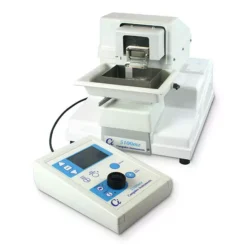
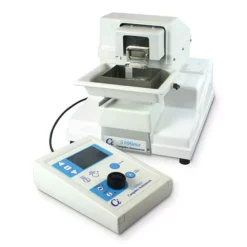
Product Description
- 5-Year Warranty.
- Proven high-quality slices with high cell viability.
- No chatter marks.
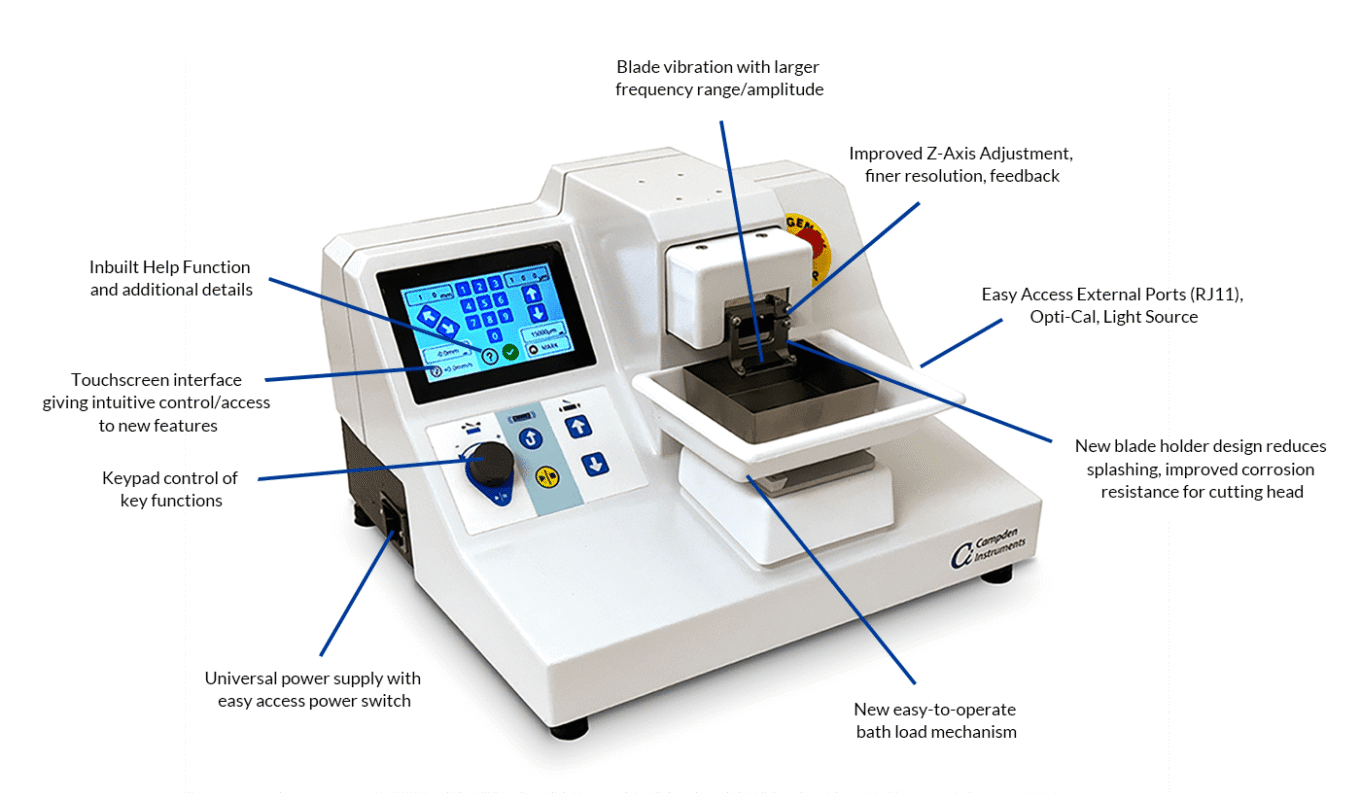
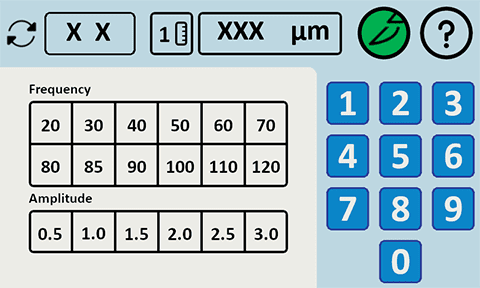
- Variable blade frequency & amplitude to cater for all tissue types.
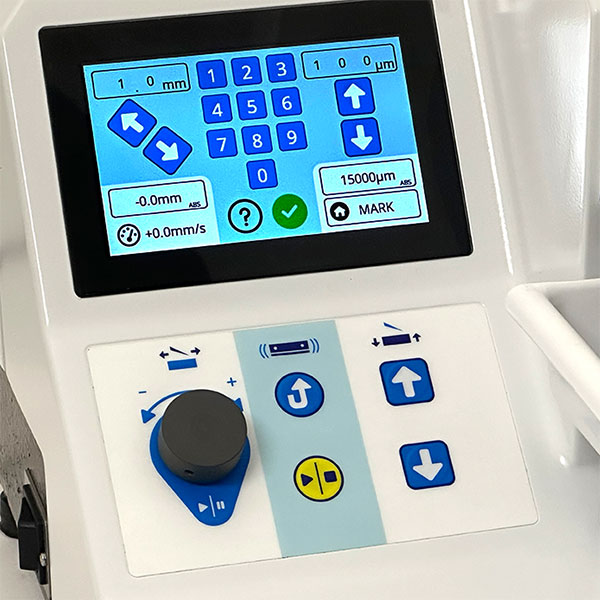
- Precise control of advance speed, adjustable during slicing, for the perfect slice.
- Measure & correct blade Z-axis deflection (down to 0.1µm), essential for quality slices.
- Slice window mode for fast, automatic sectioning.
- Clear visibility of tissue; positional adjustments can be made during slicing.
- Store up to 8 user slice profiles for easy recall.
- Slice Quality Control Validation Data.
Advanced Vibratome Technology for Life Science and Biomedical Research
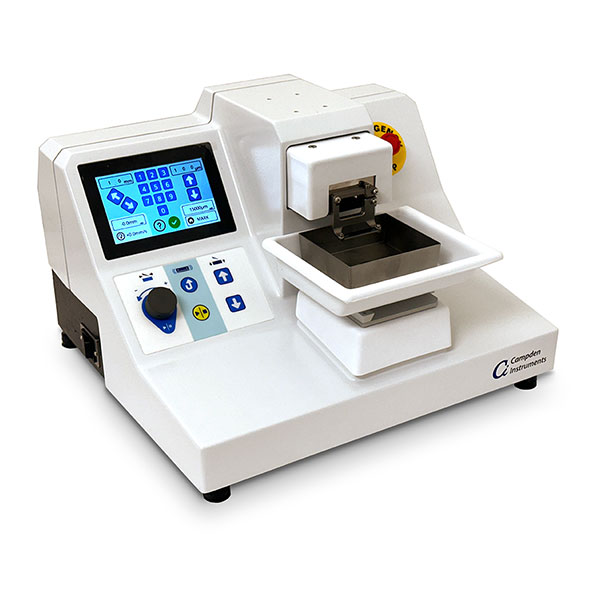
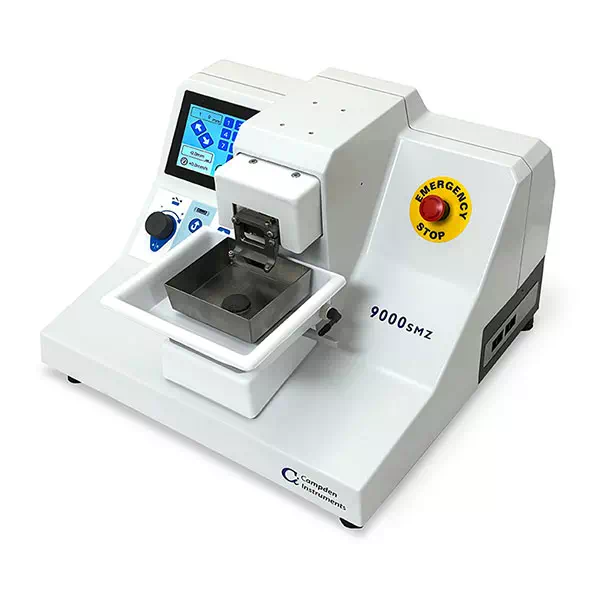
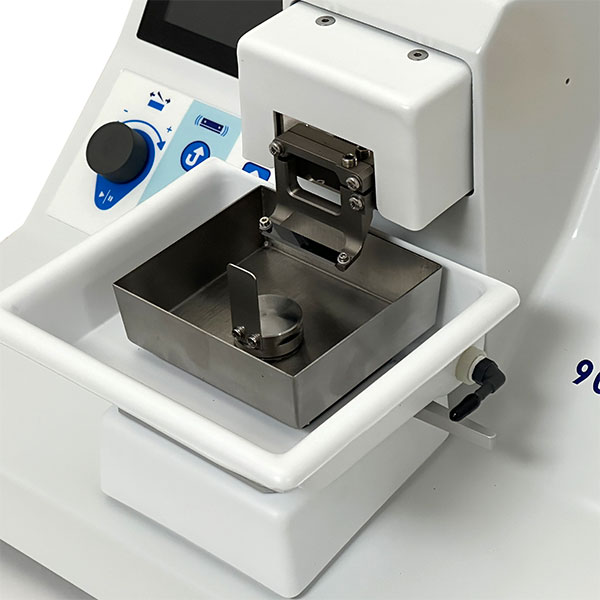
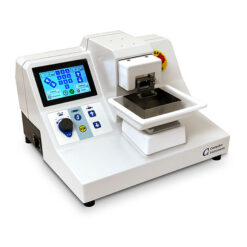
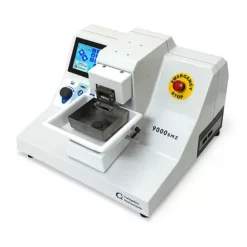
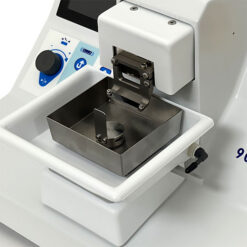
The Campden 9000SMZ Vibrating Microtome is our most advanced system, engineered for precise sectioning of live and fixed brain tissue. Trusted by neuroscience, cardiac, lung, liver, organoid, and plant research labs worldwide, it delivers exceptional control, slice quality, and tissue viability—making it the ideal choice for electrophysiology, imaging, pathology, toxicology, and organ research.
A New Standard in Precision Tissue Slicing
Whether you’re preparing slices of brain, kidney, lung, liver, retina, cardiac, pancreatic, brain organoids, tumour, or plant tissue, the 9000SMZ provides the precision and reproducibility that today’s life sciences demand.
Superior Tissue Integrity Across Applications
- Ultra-low blade Z-axis deflection minimizes mechanical damage.
- Maintains structural and cellular viability in a wide range of soft tissues.
- Ideal for acute slicing, live tissue studies, ex vivo analysis, and long-term cultures.
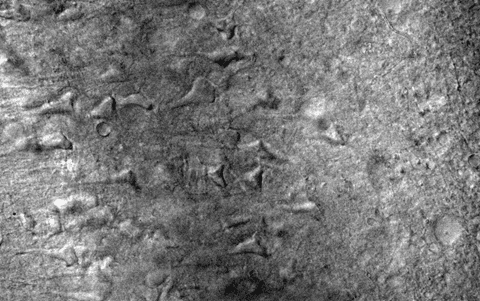
Image: 40x IR-DIC Entorhinal Cortex Slice from 9 month-old Rat. Slicing Parameters: Blade: Ceramic; Blade Frequency: 50Hz; Blade Amplitude: 1mm; Advance Speed: 0.05 mm/s.
One Vibratome, Endless Applications
- Neuroscience & Electrophysiology
- Renal, Precision-Cut Liver Slices, Precision-Cut Lung Slices
- Living Myocardial Slices for Cardiovascular Research
- Plant Root and Leaf Sectioning
- Retinal and Ocular Tissue Preparation
Key Features
Specifications
Designed for Scientists, Backed by Innovation
Campden Instruments has collaborated with leading researchers across various research disciplines to build a vibratome that meets real-world laboratory challenges. Find confidence and precision with the 9000SMZ.
✔ Confidence from the very first cut
Dr. Gareth Morris of University of Manchester and University College London talks about his research and how the use of Brain Slices provides an invaluable, in vitro research tool.
Dr. Kate Connor from Trinity College Dublin talks about her research into the development of clinically relevant cancer models and the use of brain slices for model validation.
Example Data
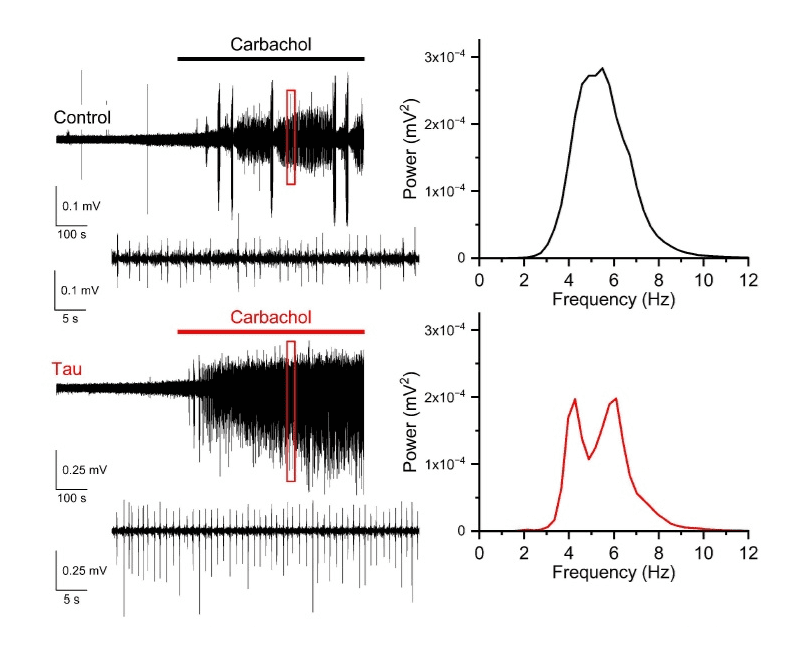
Oscillations in slices from 3 week-old mice
Neuronal oscillations in the theta frequency range (4 – 8 Hz) induced by the acetylcholine muscarinic receptor agonist carbachol (50 μM) in hippocampal area CA3 from 3 week-old C57BL/6J mice. Slices were either incubated in control aCSF or in aCSF supplemented with sonicated recombinant human tau preformed fibrils (133 nM; rPeptide; CF-1001-1).
Left panels: raw electrophysiological traces showing induction of oscillations after carbachol, and 25 s of activity (red boxed region; lower traces).
Right panels: spectrograms of theta activity induced by carbachol in both conditions.
Source: Adwoa Boaten, Ben Hopkins, Tegan Lawrence, Beth Rees, Amol Bhandare, Stuart Greenhill, Gavin Woodhall, Mark Wall, Bruno Frenguelli School of Life Sciences, University of Warwick, Coventry, UK CV4 7AL. Institute of Health and Neurodevelopment, Aston University, Birmingham, UK B4 7ET
Oscillations in slices from 9 month-old rats
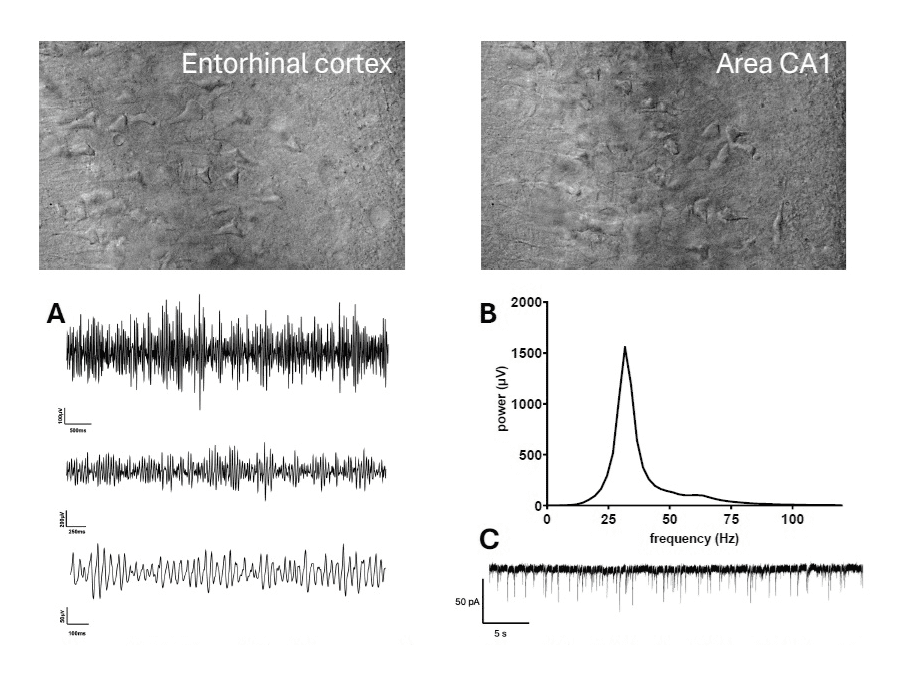
Improved microtome design allows neuronal preservation and physiological oscillations in older rats (9 months). Here we show DIC images from entorhinal cortex and area CA1.
(A) Raw electrophysiological data at increasing magnification demonstrating characteristic spontaneous sawtooth gamma oscillations in LFP recordings (450 μm slice).
(B) Panel shows example FFT from LFP recording in hippocampus with no added drugs, with high power in gamma range and excellent coherence.
(C) Whole-cell patch-clamp recording from hippocampal cell with regular EPSCs and stable baseline (350 μm slice).


Reviews
There are no reviews yet.